Back to Baseline: PU/PD and Weight Loss in a Domestic Shorthair Cat
Signalment
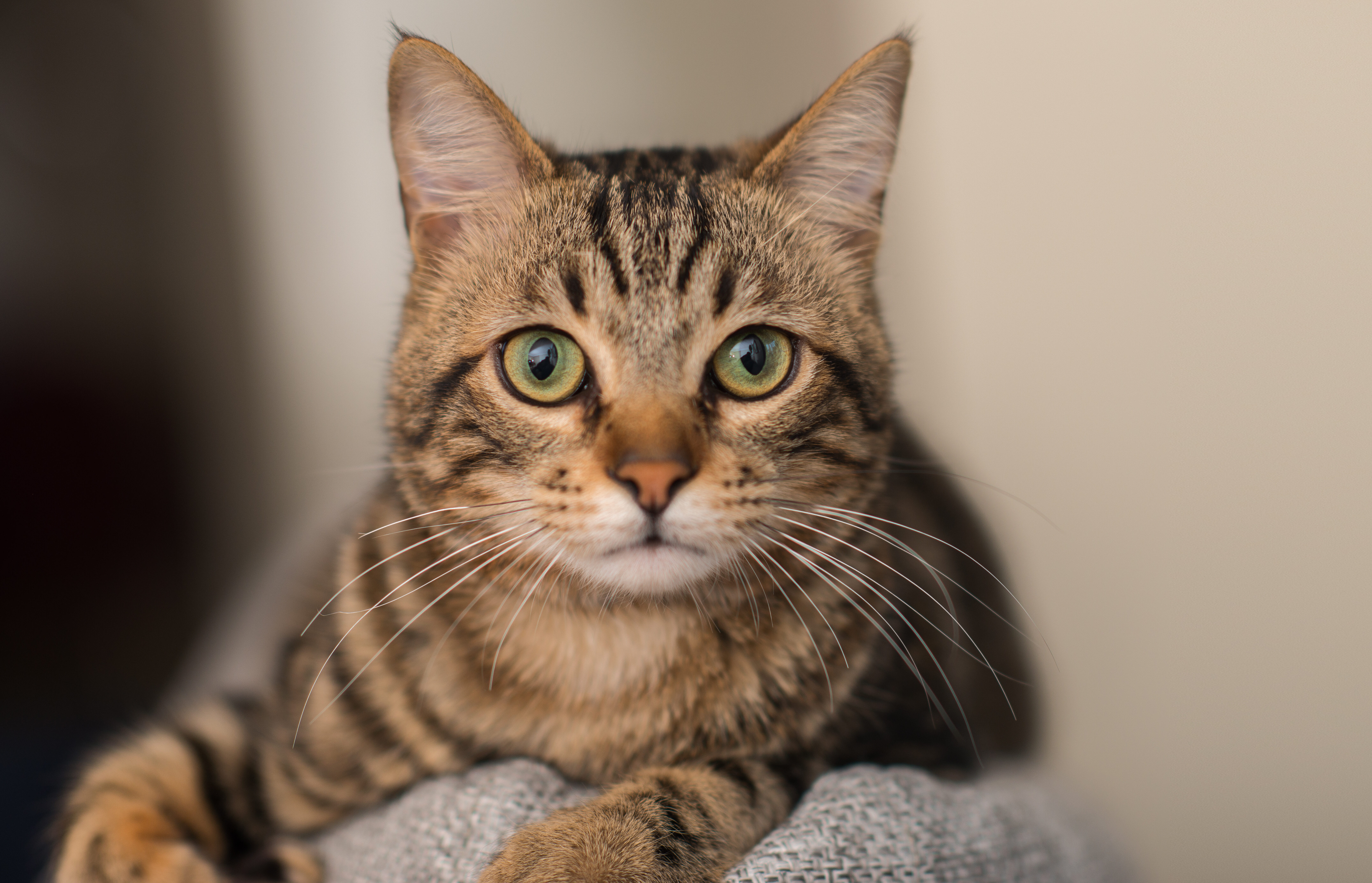
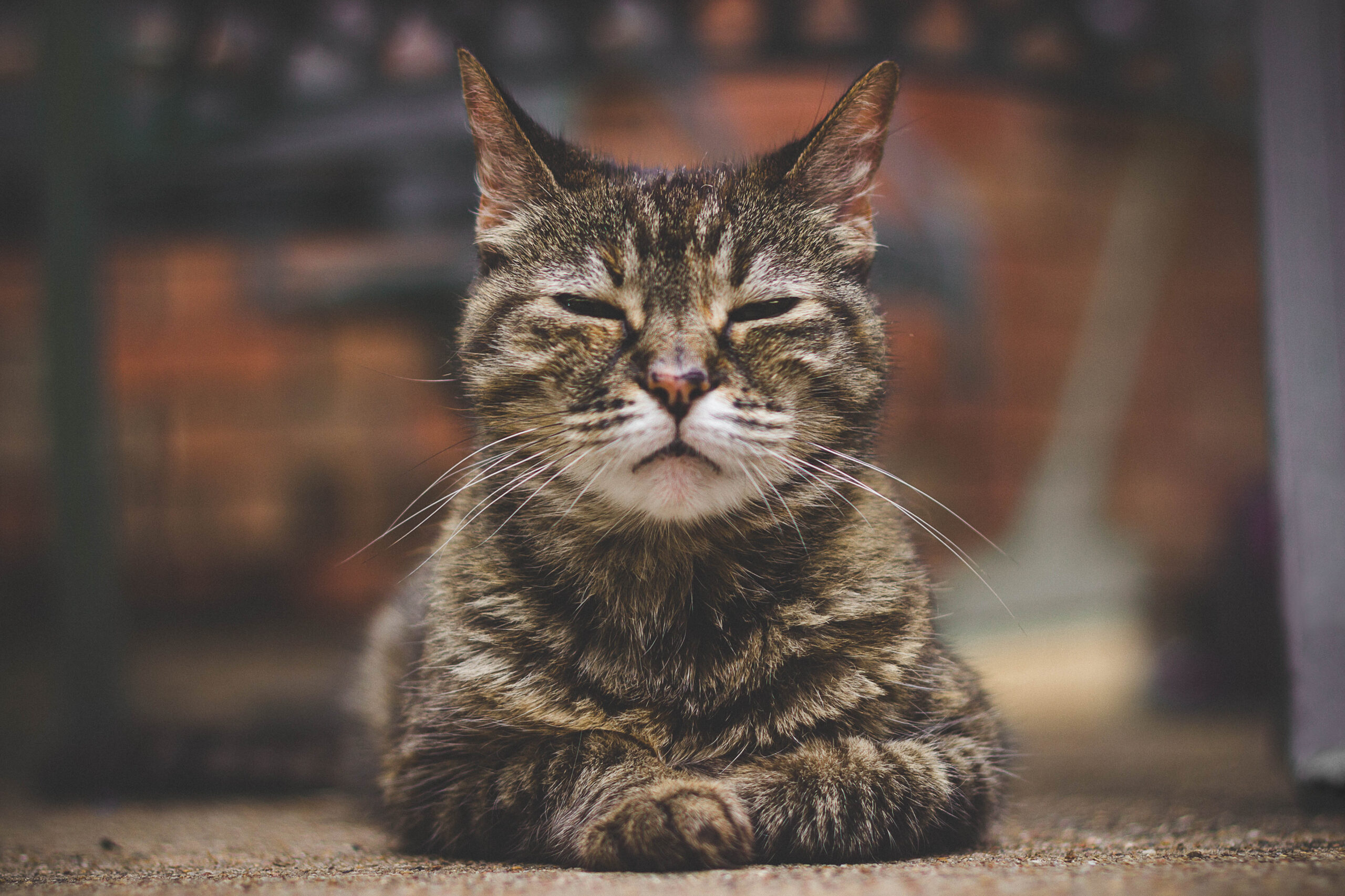
Brian Scalabrine: 16-year-old male neutered Domestic Shorthair cat
Background: Brian Scalabrine is an older cat that has had repeated clinical presentations of polyuria and polydipsia over the course of his life.
Author: Holly Brown (DVM, PhD, DACVP)
Overview:
Diagnostic clues provided his care team with the answers for the three different disease processes underlying Brian’s repeated clinical presentations.
Case Details and History:
Brian was adopted at just over one year of age and had environmental allergies, food sensitivity, and asthma from day one. In his earlier years, he was treated with steroids, often long-acting formulations, that controlled his clinical signs well. Several years later, Brian became polyuric and polydipsic (PU/PD), discovered when his owner was cleaning the litter box and filling his water bowl more often than normal. Based on those behavioral changes, it wasn’t clear whether the problem may have been Brian’s kidneys, underlying endocrine disease, or a bladder infection. And when his owner noticed he had also lost some weight — it was time to test and find out.
Physical Examination
On examination, mild muscle loss was noted over his dorsum, but no other significant findings.
Diagnostic Process
- Comprehensive lab work sent to the reference lab included CBC, chemistry, T4, and urinalysis
- The significant pathologic findings included hyperglycemia and glucosuria (excess glucose in his urine).
- A cat that’s stressed — traveling to the veterinary office, for example — can develop transient hyperglycemia. To exclude the possibility, fructosamine measurement was added to his labwork in order to assess how Brian’s glucose control had been in recent weeks.
- Brian’s fructosamine was indeed elevated, supporting a pathologic hyperglycemia.
First Diagnosis and Treatment
- Brian was diagnosed with diabetes mellitus.
- He received insulin and, at home, his owner changed his diet was changed from dry food—with high carbohydrate levels that he was able to free feed—to canned food with a lower carbohydrate level fed twice daily so his blood sugar would not stay high as long throughout the day, decreasing his insulin needs.
- After almost nine months of treatment and diet modification, Brian no longer required insulin to maintain a normal glucose.
Five years later, however, Brian’s clinical signs reappeared. He was again urinating more than normal, drinking more water, and losing some weight. It was time to test again.
Second Diagnosis and Treatment
- Brian was diagnosed with hyperthyroidism, a common endocrine disorder in aging cats.
- Cats commonly become hyperthyroid in response to benign adenomatous growths on the thyroid gland that increase the production of the thyroid hormone, thyroxine.
- Increased thyroxine can create a lot of systemic effects, and Brian had developed a new heart murmur. Hyperthyroidism can increased heart rate and cardiac muscle thickening resulting in altered flow through the heart and a resultant functional murmur. Indeed, an echocardiogram did confirm early signs of cardiomyopathy.
- Brian was treated for his hyperthyroidism with oral methimazole, but he developed an uncommon but reported reaction of facial excoriations from increased itchiness and medical management was discontinued.
- Brian was treated successfully with radioactive iodine therapy.
Four years later, Brian’s clinical signs returned. He was drinking and urinating more again, although this time it was more subtle, but the weight loss and muscle loss over his dorsum was more noticeable. These changes were concerning.
Diagnostics Round Three
- Brian’s bloodwork showed normal glucose and thyroid levels, and there wasn’t anything on his CBC or chemistry that was out of the reference interval.
- But currently reported reference intervals are population based and thus inherently wide, and thus they can be insensitive in detecting smaller changes and abnormalities in an individual patient.
- Thankfully, Brian had years of historical bloodwork, providing more narrow individualized reference values specific to him and allowing for more sensitive trending of changes.
- There was a subtle but noticeable trend of decreasing albumin in his more recent lab work.
- An abdominal ultrasound showed a severely thickened gut and a pattern suggestive of possible GI lymphoma – explaining his third presentation of increased drinking, urination, and muscle loss over the course of Brian’s life.
Case Impact
While changes noticed by an owner are usually the tipoff that something may be wrong with a pet, appropriate and timely diagnostics help veterinarians make more accurate diagnoses, more appropriate treatment plans, and ultimately healthier pets. That was certainly the case with Brian, where very similar clinical presentations went down different disease paths that could not have been uncovered without diagnostic testing. Additionally, Brian’s historical bloodwork also provided his own personal reference data — a huge benefit for any animal, particularly senior pets that often have comorbidities. Wellness testing done yearly, starting early in a patient’s life, provides a baseline of health so that, as in Brian’s case, subtle abnormalities can be detected and treated earlier for better health outcomes.
Listen to the full episode here.